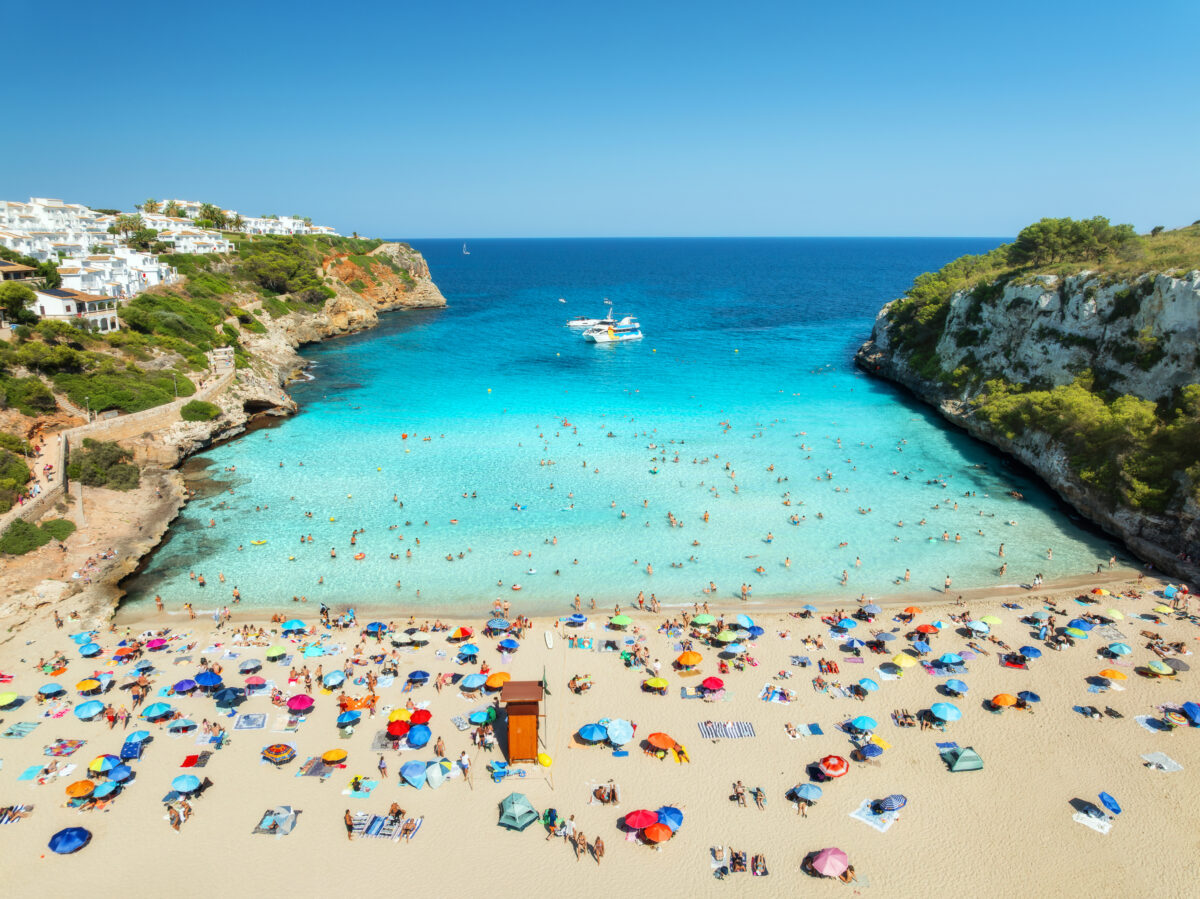
Although it isn’t everyone’s cup of tea – the beach is a main attraction for many people. The opportunity to keep cool in the sea, relax under a sunshade and watch the world go by. Who can’t resist? Then again there is sand in your sandwich, you missed a patch with your suntan lotion and someone’s playing very loud music. What are the rules when it comes to enjoying sun, sea and sand in Spain?
The midday sun is at its fullest and everyone is on their way down to the beach. But what is this? The Spanish people are heading back home or at least somewhere shady where they can rest from the sun for a few hours. If you are a beach lover you can’t have helped but notice a difference between the habits of the holiday maker and the permanent resident when it comes to beach use, particularly in the summer.
If you’ve never tried it – try it! Instead of dragging out your beach equipment when the sun is at its highest, trying not to burn the soles of your feet or collapse from heat exhaustion – be patient. Try setting out around 4 or 5 O’clock when the sun and sand is not quite as vicious and join the Spanish families who know just how to enjoy the coast.
So, what can you do when you’ve pitched your towel and put on your swimsuit? First and foremost, we have to emphasise that rules vary between different regions in Spain and sometimes even different towns or different beaches. Do make sure that you check out local regulations as well as reading our general guidance.
Follow the flags
Please take notice of the flags that indicate whether it is safe to swim or not:
- green flag – there are calm sea conditions and swimming and water activities are permitted
- yellow flag – swim with caution – swimming is allowed but extra care is needed
- red flag – swimming is prohibited and there are dangerous sea conditions
These flags are usually displayed near the lifeguard station and are there for everyone’s safety. You can be fined for disobeying the flag system – but more importantly, it could endanger yours and others’ lives.
Dogs – yes or no?
Generally, the answer is ‘no’. There are some beaches that are designated for dogs but they are not allowed on the majority. You can find out from your local town hall, if you live at the coast, which beaches are available to use. You will occasionally see people walking a dog on areas of sand if it isn’t officially designated as a beach but on most official beaches it isn’t allowed.
Smoking
Smoking is increasingly being prohibited on beaches in Spain but it very much depends upon which part of Spain you are in. You can check by looking out for signs that say ‘playa sin humo’ or smoke-free beach.
Drinking alcohol
Guess what! It depends on the beach and the region. Largely, it is a case of how much and how loud. On most beaches you will see people with their picnics and a few cans or bottles. Beach bars (chiringuitos) actively encourage you to take your drinks away by serving them in plastic containers.
However, if you are causing a disturbance or are party to a large drinking gathering or ‘botellón’ this is a different matter. In these cases you could be expected to move on or even be fined. It’s common sense really. Enjoy yourself but be moderate and clear up before you go!
What you wear
It is fair to say that you see all of life’s varieties on a trip to the beach. That is one of its attractions. Spain generally is quite relaxed and you will see topless sunbathing on many Spanish beaches. There are also many nudist beaches but these are not usually highly visible to passers-by.
Whilst, more or less, anything might go, do be conscious of covering up when you enter nearby shops and restaurants. Many have their own dress code and it is expected that you put on a t-shirt and shorts.
Saving your place
The issue of first come, first served, is a regular summer issue. Whether it is saving your place round the swimming pool or at the beach front – images are shared of people racing one another to get the best spot.
Although you are not supposed to stake out your territory right be the sea and then disappear for hours – many people do and it is difficult to police. It is common courtesy not to hog coastline and generally it isn’t necessary with most Spanish beaches having plenty of room.
Although difficult to enforce, there are times when it is. Beach staff or local police are entitled to remove your items and you might even have to retrieve them from the local police station!
As you’ve probably gathered, the rules vary greatly and really the best guidance is to check out the board by the lifeguard station. That is where you can expect to see what applies to that particular beach. Usually they are translated but if not they are accompanied by recognisable symbols. Now you know the dos and don’ts it is time to head off and enjoy a little beach time of your own.

It might be of your interest...



No comments yet
There are no comments on this post yet.
Leave a comment