Many things are the same as you’re used to in your home country. But there are some differences and we draw attention to the particular characteristics of the Spanish supermarket and compare prices at the major high street chains.
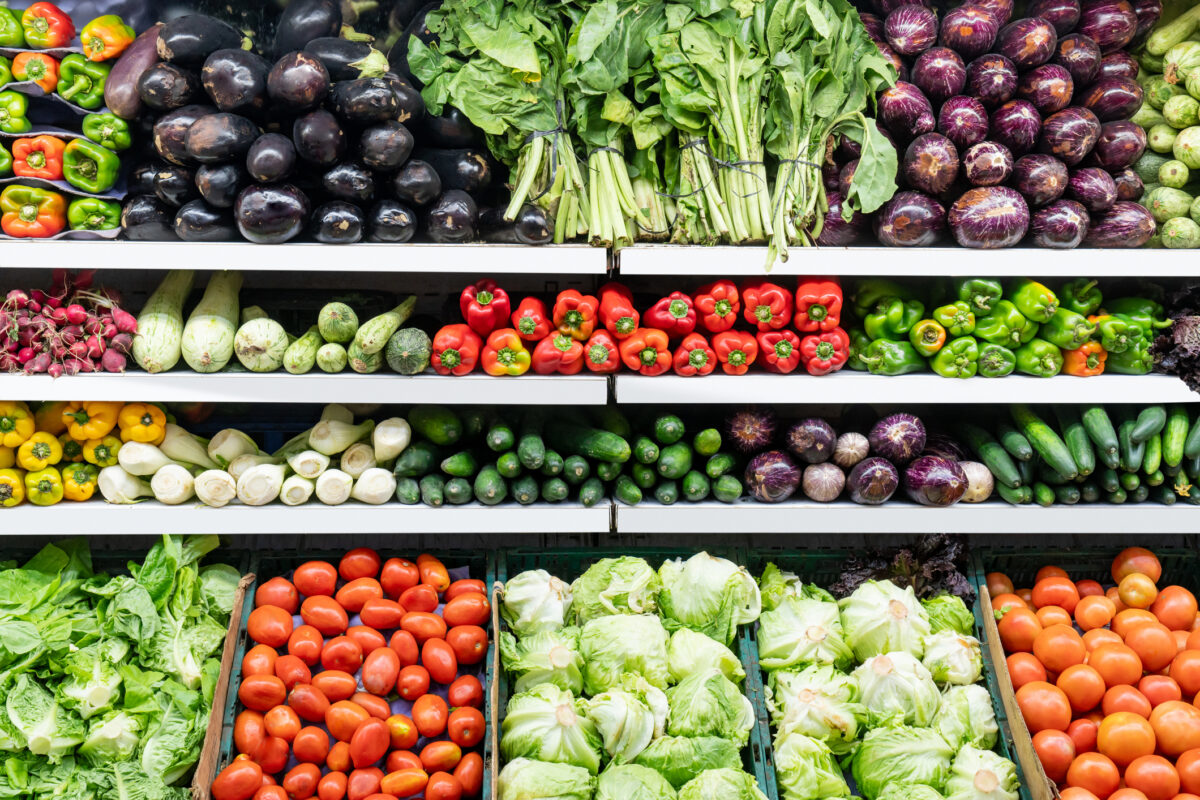
When first entering a Spanish supermarket you’re likely to be impressed by the range and quality of the fresh seafood, fruit and vegetables. You may also be baffled as to where some of your favourite products are hidden. Be prepared! They may not actually be stocked on your average Spanish supermarket shelf. Some people prefer to find shops catering for their own specific national brands and tastes – but take your Spanish adventure by the horns! Make the most of the wonderful range of produce that you find there.
Lots of fresh produce
The good news when it comes to Spanish supermarkets is that they are usually well stocked with fresh fruit and vegetables. There is plenty of fresh fish and if you enjoy having fish on your menu, you are in for a treat. Don’t be put off and go for the already-packaged varieties. Have a look at the trays of seafood and various types of familiar and exotic-looking fish and stretch your culinary expertise! The fishmongers will prepare it for you but you might need to check that you have the vocabulary beforehand.
If you like your cheese, ham and cooked meats then you’ll also be spoilt. In the run up to Christmas the selection of jamón is overwhelming with prices for a full leg ranging from under €60 to over €600! Supermarkets reflect the food preferences of the country they are in – obviously! So you can expect a wide selection of olives, cheeses, cured meats and olive oil. The bread counter usually features plenty of bread to use on the day rather than sliced versions. The smell alone will want you to eat your ‘barra de pan’ before you get home to make that sandwich.
Of course, you want to make sure that your piece of fresh fruit is not about to go past its sell-by-date. However, just be aware that openly handling fruit to check its hardness is not generally approved of in Spain. If you do want a quick squeeze, do it as surreptitiously as possible and with gloves on!
Which one to choose
Everyone’s got their favourite Spanish supermarket and there are a few factors that can influence your preference significantly – one being how much they charge for their products. According to Spain’s Organisation of Consumers and Users’ (OCU) latest findings (2026) choosing the cheapest option over the dearest could actually save you over 1,000€ a year.
244 food products were compared in their survey, including both named brands and their own. The cost of the average weekly shop has gone up significantly since 2021 with an overall increase of 39.5% but with some fresh foods, such as eggs, going up by over 100%. With these kinds of increases it can be well worth shopping around.
The OCU found that the chain Dani came out best overall, however, if you have never heard of it, that’s because it is local to the south of Spain in Andalusia. Other local chains also fared well in the survey with Family Cash in second place (branches in Andalusia, Murcia, Valencia, Madrid and Galicia). Third was Tifer – supermarkets largely located in the north of Spain.
For more national chains, Alcampo continues to be the cheapest and came fourth overall. Followed by Supeco in fifth place, Lidl in sixth and Mercadona in seventh. The last two top 10 positions were held by Deza (9th ) and Consum (10th). Aldi was just behind in 11th place but Carrefour came out well down the pack only managing 17th place. As you might expect, El Corte Inglés ranked with the most expensive along with Spar, Supercor and Hipercor.
Opening and closing times
Don’t expect Spanish supermarkets to be open 24/7. In some areas of Spain every large shop is required to close on Sundays for part of the year. Public holidays also see limited coverage and some chains, such as Mercadona, adhere very strictly to this for their workers.
If you’re an early riser you might also be disappointed to discover that supermarkets don’t generally open until 9.00 a.m. or some even later in the winter. During the winter months, Mercadona’s usual opening hours are 9.30 a.m. No rushing in to grab a sandwich before work! They do, however, stay open throughout the day and you can continue shopping into the late evening – usually up to 10.00 p.m. which is a bonus, particularly in the summer.
Where you are based matters too. Those supermarkets located in tourist-dominated areas, do tend to be open longer than those in traditional, rural Spain. The general rule is – get to know what applies to those nearest to you.
Home deliveries are available in most towns and cities. This is an option that can be particularly beneficial if you have mobility issues or lack your own transport. Most of them have a minimum spend limit – so getting them to deliver that loaf of bread you forgot, is not an option.
Try it!
It can be easy to stick to the flavours and products you know. Like ordering chicken nuggets at an Italian restaurant – you can be disappointed. Be prepared to experiment with the huge variety of Mediterranean food on offer. Buy yourself a Spanish cookbook and make widening your culinary prowess part of your Spanish experience.

It might be of your interest...



No comments yet
There are no comments on this post yet.
Leave a comment