Police reports or denuncias are the way in which you register a crime or serious complaint in Spain. They are available to everyone but it is important that you know what to expect and how to go about making one. In this article we explain more and help you to navigate the process.
From the most serious crime to noise disturbance – making a denuncia is the way to report something that you feel the authorities should be aware of. A denuncia is a statement made to public officers who will then send the report on to the correct agency to deal with the issue. It spans a whole range of crimes including administrative matters.
If you feel you are a victim of a crime then you are eligible to make a report. Denuncias are divided into two categories but it is not your responsibility to decide which your complaint falls under:
Criminal complaint (denuncia penal) – report of a criminal activity
Administrative complaint (denuncia administrativa) – report of something that breaks local or national administrative laws
It is important to make a denuncia even if the police have already been involved. If police officers come to your home, they will make an initial report but you will probably still need the denuncia for your insurance company in order to make a claim.
Where and when to go
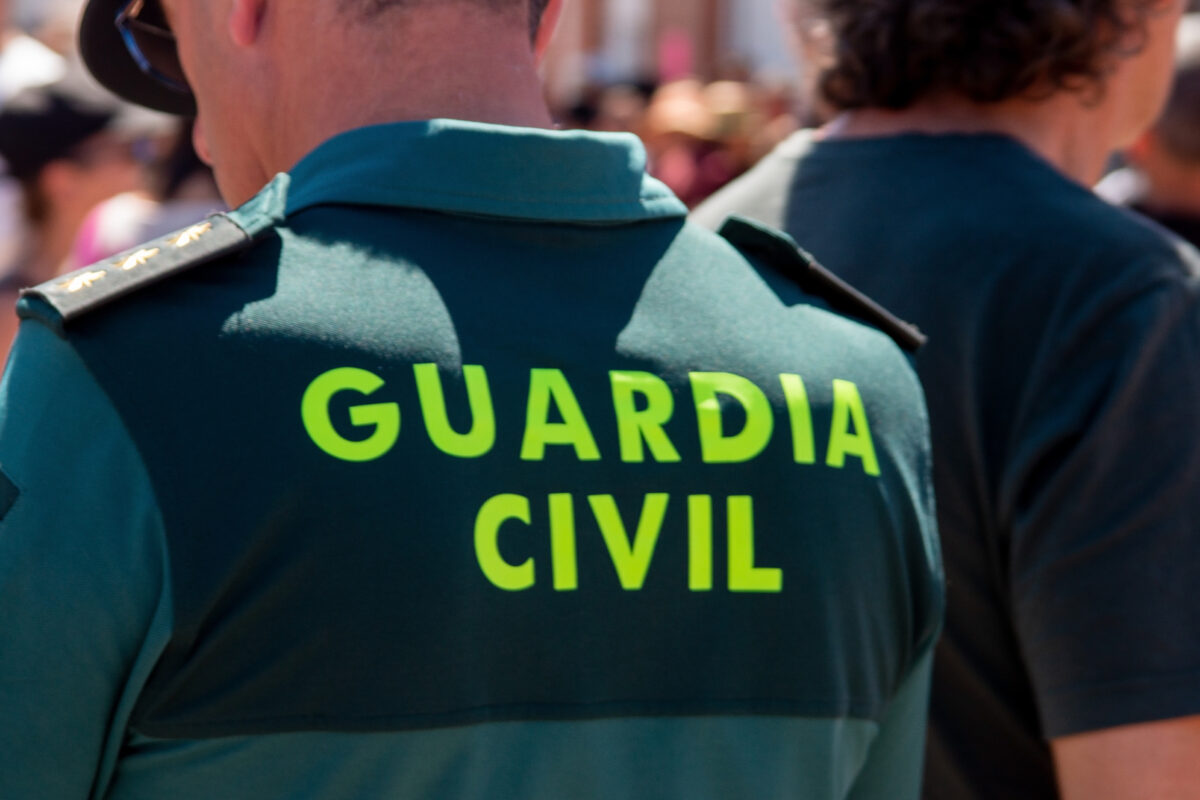
The best advice is to go to the nearest Guardia Civil Station in your town or city. It is likely that you will be able to make the report there, but if not they will be able to inform you where you should go. Make your report as soon as possible after the crime has been committed or the misdemeanour has taken place. A denuncia can be made 24 hours a day and 7 days a week.
In some cases the decision to make a report is clearcut. However, do consider if there might be other ways of resolving your complaint if it centres on noisy neighbours or similar disagreements. Be aware that making a false statement or accusation can be punishable with a fine and a person who feels falsely reported can make a false accusation claim themselves.
Some types of denuncia can also be made online through the Guardia Civil’s electronic system. If you have had something stolen, damaged or have lost an important document, for example, this might be an option if you are able to use an electronic identification or signature.
What to take with you
You will need to collect some information before you go in order not to make your trip a waste of time. You will need:
- names and addresses of those you have concerns about (if known)
- a log of any events including date, time and any details you can provide
- information about any witnesses or other evidence that you have
- the police reference number if they have already followed up the crime
- details of any belongings stolen – photos if possible and/ or receipts
You will also need to clearly and formally identify yourself which requires your passport and, if you are a resident, you should take your residency identification that includes your NIE.
Evidence can include photographs and sound recordings and if you have a witness it is ideal if they can also go with you and report what they saw or heard. You are generally better to take more with you than you need – the police will decide what is of use to them.
If you are not fluent in Spanish then it is important to take someone with you who can translate. This could be a neighbour or someone you know or you can pay a translator to go with you.
What you can expect
Once you arrive it is likely that you will need to wait your turn to make your report. Practice varies between police stations – at some you can make a prior appointment but at others you just need to wait. There might be a ticket machine and you should take your ticket and wait for your number to come up. You will then explain to the police officer what your complaint is about and they will make notes. You can also take with you a written account but it should be in Spanish. The police officer may ask some questions for clarification and you should provide as many relevant details as you can.
Make sure any evidence is clearly linked to the crime you are reporting. Your account should keep to the point and be relevant.
What happens next
This very much depends upon the crime or situation reported. For a serious crime then the police may act immediately and even make an arrest. In cases that require further consideration and where there is no clear offender then the report may be sent to the judicial authority or court. From there decisions will be made as to whether to proceed according to Spanish law. If the complaint was an administrative one, this can lead to the accused being fined or receiving a penalty.
By making the denuncia you will have done your part in drawing attention to an issue that perhaps other people are facing too. Even if you feel that there will be little personal recompense for whatever crime has been committed, the fact that you have lodged your report can help investigating authorities recognise trends and patterns affecting the general public and builds the case for dealing with them.

It might be of your interest...



No comments yet
There are no comments on this post yet.
Leave a comment